The template is where you start, not what you get
Forms exists and it works. It is a finished tool, and plenty of people will use it exactly as it comes. But nothing in it is fixed. The wording, the fields, the look, who sees what, what happens after somebody answers — and what the app is fundamentally for. A form that collects enquiries can become the thing that sorts and scores them. Nobody is going to tell you that you have reached the edge of what the template allows, because there isn’t an edge.
That is the whole reason to start from a template rather than from nothing. Everybody who builds one of these builds the same sign-in, the same list with a search box, the same export button — work worth nothing to your business whether you pay for it in weekends, in a developer or in AI credits.
The honest limit is not the template. It is the agent: it does what it is told, as well as it can do it, and you see the result before anybody else does.
Asking for a change already works
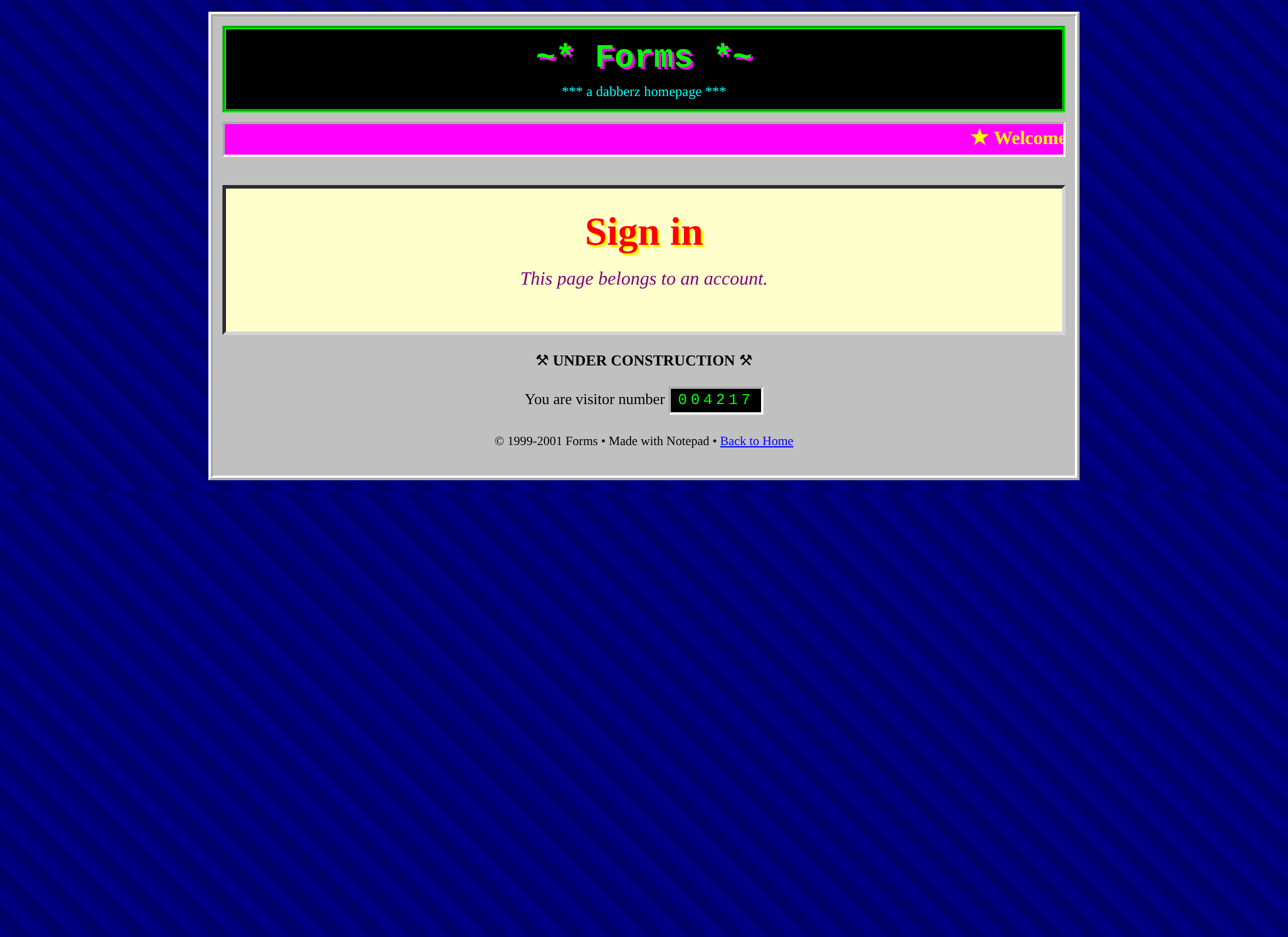
This part is not a plan. It runs today, and it is how the screenshot above happened.
- You ask. “Add a budget-range dropdown to the enquiry form, and make it match my brand colours.” Plain sentences. It starts the moment you ask: no queue, no ticket, nobody to wait for.
- It gets built somewhere else. A separate copy of the app, with a copy of your real records — a change tested against an empty app has not been tested. Automatic checks run, including something clicking through the pages the way a person would.
- You look at it. The new version gets a web address of its own, so you can click around it yourself. Your live site hasn’t moved.
- You approve it, or you don’t. Going live is a person’s decision, never the agent’s. A copy of everything is put aside first, and one click puts it back.
A simple change runs that whole loop — copy, build, check, show you, go live — in under fifteen minutes. Bigger ones take longer, because more of the app has to be rebuilt and re-checked. There is no settings screen, which is why nothing is off limits, and equally why changing a logo is a request rather than a click: big changes come out well ahead on that deal, four-second edits don’t.
Forms is the first app, not the product
The point of a platform is that the next tool isn’t a separate product with a separate bill. A CRM and a help desk are the two we hear asked for most and the two we intend to build next; the order isn’t settled. When they exist they will sit on the same database, the same sign-in, the same mail and the same storage as everything else you run here — so your contacts and your tickets are in one system rather than wired together with an integration you maintain.
Each of them will be a template like Forms: finished enough to use on day one, and with nothing in it you aren’t allowed to change.
If there is a tool you would genuinely move off, that is the most useful thing you can tell us. Say which one and what you pay for it now — it changes what gets built first.
What we will charge for, and what we won’t
No number here yet, deliberately. We would rather leave a blank than print a price we are going to move once we know how this is actually run and paid for. What is settled is the shape of the bill, and the shape is the part worth arguing about:
- Never per seatYou will not pay us more for hiring somebody. The number of people using your apps is not something we intend to count, ever. This one is a commitment rather than a plan.
- Never per appNot per app, not per record, not per response. You rent room to run things in — disks and machines, which is the one thing we actually buy — and you run what you like in it.
- More room, more moneyRoughly twice the room for roughly twice the price, and on up. How we arrange that behind the scenes is our problem, never a line on your invoice.
- + your own AIYou bring the AI agent. We don’t sell it to you and we take no cut of it, so that line on our bill is zero and can’t surprise you — and it is a separate subscription if you don’t already have one. Today the platform drives Claude Code specifically, so that is the one to have; a long session of changes draws on your own usage limits, the same allowance you use for everything else.
So there will be two bills and we only intend to be one of them: ours for the room, and the AI bought wherever you already buy it.
Where this actually is
Early, and specific about it. Forms is the only app. The control panel isn’t finished, so there is no self-serve install to give you. It all runs on one machine with one person operating it — no second machine to fail over to, and nobody else to pick up the phone. That person can read your data, too; any claim otherwise would be theatre, because scrambling a disk stops somebody who steals the hardware and does not stop the operator.
You can’t bring your own app yet. When you can, it will have to use the platform’s own sign-in, storage and mail, because that contract is the only reason we can run something without knowing what it does.
The source is public — including the unfinished parts and a written list of what is unverified or known wrong. If you are deciding whether this is worth your attention, that list is a more useful page than this one. About has the long version: how a change is checked, who builds this, and what is yours versus ours.
Hear about it when it’s real
One email when there is something you can install, and the occasional note on progress in between.
Or email support@dab-media.com and say roughly what you’d want to run. A person replies in a day or two, and will tell you honestly whether this is ever going to suit you.